Keto Diet 2026: What to Eat, Benefits & How to Start
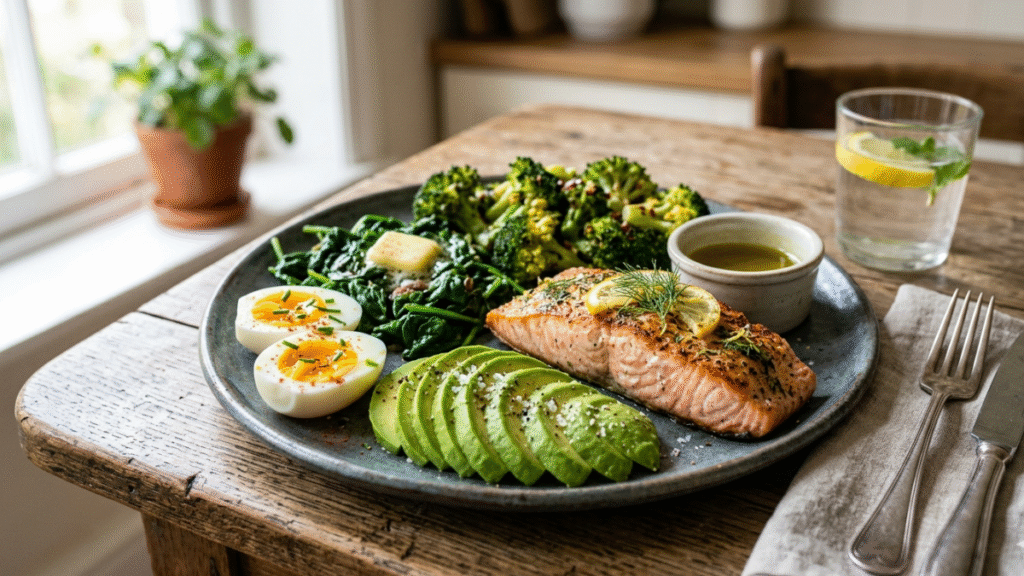
Introduction You’ve probably heard about the keto diet — a low-carb approach that promises fat loss, better energy, and improved metabolic health. But for many beginners, it can feel confusing.What do you actually eat?Why does it work?And why do some people feel amazing… while others struggle at first? The answer lies in how your body uses energy. When carbohydrates are reduced, your body shifts into a different metabolic state — one that relies more on fat instead of sugar. In this article, you’ll discover how the ketogenic diet works, what to eat, and how to start in a balanced, sustainable way. 🧠 What Is the Keto Diet? The ketogenic diet is a low-carbohydrate, high-fat eating approach designed to shift the body into a state called ketosis. In ketosis, your body: Instead of relying on quick sugar energy, your body uses a more stable fuel source. 🔬 The Science Behind Ketosis Normally, your body uses carbohydrates for energy. When carb intake is reduced significantly: These ketones become an alternative energy source for the brain and body. Research in metabolic health suggests that ketogenic diets may support: ⚠️ Signs Your Body Is Entering Ketosis Positive warning signs: These signs indicate metabolic adaptation. 🥑 What to Eat on a Keto Diet The success of keto depends heavily on food choices. 🥩 Healthy Fats (Main Energy Source) 🍗 Protein (Moderate Intake) 🥦 Low-Carb Vegetables 🥜 Nuts and Seeds 🚫 Foods to Avoid ⚡ The Keto Adaptation Phase (Keto Flu) In the first days, your body transitions from sugar to fat burning. This may cause: This phase is commonly known as “keto flu.” 💡 How to Reduce Keto Flu This phase is temporary and usually improves within a few days. 🔗 Related Articles To enhance your results, combine keto with structured eating: 👉 https://vitalvibes.blog/intermittent-fasting-for-beginners/ And optimize your food choices here: 👉 https://vitalvibes.blog/foods-to-eat-during-intermittent-fasting/ ⚡ Benefits of the Keto Diet 1. Supports Fat Loss Reduced insulin may help the body access stored fat. 2. More Stable Energy Less dependence on sugar = fewer energy crashes. 3. Appetite Control High-fat meals can increase satiety. 4. May Support Blood Sugar Balance Often used as a complementary strategy for glucose control. 5. Mental Clarity Some people report improved focus during ketosis. 🌿 Natural Support Options While keto can be effective, some individuals find it challenging to maintain energy and consistency — especially during the adaptation phase. In these cases, some explore natural support options such as: 👉 Explore keto support options and easy recipes 🧠 Common Mistakes to Avoid Keto works best when approached gradually and sustainably. 🌱 Final Thoughts The ketogenic diet is not just about cutting carbs — it’s about changing how your body produces energy. When done correctly, it can support: The key is not perfection — but consistency. Start simple. Adjust gradually. And let your body adapt at its own pace. FAQ
Best Foods to Eat During Intermittent Fasting (Beginner-Friendly Guide)

Introduction Intermittent fasting is not just about when you eat — it’s also about what you eat. Many beginners focus only on the fasting window and ignore one critical factor:👉 food quality during the eating window And that’s where most people go wrong. Because here’s the truth:you can fast for 16 hours… and still not get results if your meals don’t support your metabolism. If you’re new to fasting, start here first: 👉 https://vitalvibes.blog/intermittent-fasting-for-beginners/ Now let’s build the second half of the equation — the foods that actually make fasting work. 🧠 Why Food Choices Matter During Intermittent Fasting During fasting, your body shifts from using sugar to using stored fat for energy. But when you eat again, your choices determine: Research shows that intermittent fasting can improve metabolic markers like blood sugar and inflammation — but diet quality still plays a major role In simple terms:👉 fasting opens the door👉 food determines the results 🥑 Best Foods to Eat During Intermittent Fasting To maximize results, your meals should focus on balance and stability, not extremes. 🥩 1. Lean Proteins (Build & Repair) Protein helps: Best options: 🥦 2. Fiber-Rich Vegetables (Control Hunger) Vegetables are essential for: Top choices: 🥑 3. Healthy Fats (Sustained Energy) Healthy fats provide slow, stable energy, which is ideal for fasting lifestyles. Best sources: 🍚 4. Complex Carbohydrates (Smart Fuel) Carbs are not the enemy — the type matters. Choose: These release energy slowly and prevent crashes. 🍓 5. Low-Sugar Fruits (Natural Support) Fruits provide: Best options: Avoid excessive high-sugar fruits if your goal is fat loss. 🚫 Foods to Avoid During Intermittent Fasting Even if you’re fasting correctly, these foods can reduce results: These cause: ⚡ What to Drink During Fasting During your fasting window, stick to: These help maintain hydration without breaking the fast. Experts confirm that zero-calorie beverages are generally acceptable during fasting periods 🔍 Signs Your Diet Is Supporting Your Fast If you’re not experiencing these, your food choices may need adjustment. 🌿 Natural Support Options Even with a clean diet, some people struggle with: In these cases, some individuals explore natural metabolic support options designed to complement fasting routines and improve energy balance. 👉 Explore natural support options here 🧠 Pro Tips for Better Results 🌱 Final Thoughts Intermittent fasting is powerful — but it’s only half the equation. The real results come from combining: When you align both, your body becomes more efficient, balanced, and energized. And that’s when fasting stops feeling like effort…and starts feeling natural.
Intermittent Fasting for Beginners: Benefits and How to Start

✨ Introduction You’ve probably heard about intermittent fasting — from social media, friends, or even wellness experts. Some people say it helps with weight loss.Others claim it improves energy, focus, and even longevity. But here’s the truth:intermittent fasting isn’t a magic trick — it’s a structured eating pattern that works with your body’s natural rhythms. And when done correctly, it can become one of the simplest ways to support your metabolism and overall well-being. In this beginner-friendly guide, you’ll learn how it works, what science says, and how to start safely. 🧠 What Is Intermittent Fasting? Intermittent fasting (IF) is not a diet — it’s a timing strategy. Instead of focusing on what you eat, it focuses on when you eat. The most common method is: 16:8 Method Example: This gives your body time to switch from digesting food to burning stored energy. 🔬 How Intermittent Fasting Works (Simple Science) When you eat, your body uses glucose (sugar) for energy. When you fast, insulin levels drop, and your body begins to: This metabolic shift is often called: 👉 “fat-burning mode” Research in metabolic health shows that fasting periods may support: ⚡ Benefits of Intermittent Fasting 1. Supports Natural Weight Management Fasting can help reduce overall calorie intake and improve fat utilization. 2. May Improve Energy Stability Many people report fewer energy crashes during the day. 3. Supports Metabolic Health Better insulin control = better energy balance. 4. Enhances Mental Clarity Some individuals experience improved focus during fasting windows. 5. Promotes Cellular Repair Fasting may activate processes like autophagy — the body’s internal “cleanup system.” 🔍 Signs Intermittent Fasting Might Benefit You If this sounds familiar, IF may be worth exploring. 🥗 How to Start Intermittent Fasting (Beginner-Friendly) Starting too aggressively is one of the biggest mistakes. Instead, follow a gradual approach: Step 1: Start with 12 Hours Example: This is the easiest entry point. Step 2: Move to 14–16 Hours Once comfortable, extend your fasting window slowly. Step 3: Stay Hydrated Drink: Avoid sugary drinks. Step 4: Focus on Nutrient-Dense Meals During eating windows, prioritize: This prevents energy crashes. Step 5: Listen to Your Body Fatigue, dizziness, or discomfort = adjust. Consistency matters more than perfection. 🌿 Natural Support Options While intermittent fasting can be effective on its own, some individuals find that supporting metabolism and energy balance helps them adapt more comfortably — especially in the early stages. Certain natural formulas are designed to support: 👉 Learn more about natural metabolic support options ⚠️ Who Should Be Careful? Intermittent fasting is not for everyone. Avoid or consult a professional if you: Your health always comes first. 🌙 Common Mistakes to Avoid Intermittent fasting works best as a long-term lifestyle habit. 🌱 Final Thoughts Intermittent fasting is not about restriction — it’s about rhythm. When you align your eating schedule with your body’s natural processes, you create a more stable, sustainable way to support: Start simple. Stay consistent. Adjust as needed. And over time, your body will respond.
Intermittent Fasting for Beginners: A Simple, Science-Backed Guide

Discover intermittent fasting for beginners, learn how it works, its benefits, and how to start safely for better health and weight loss.